
Childhood in an income-deprived borough: why free Play Programmes matter more than ever
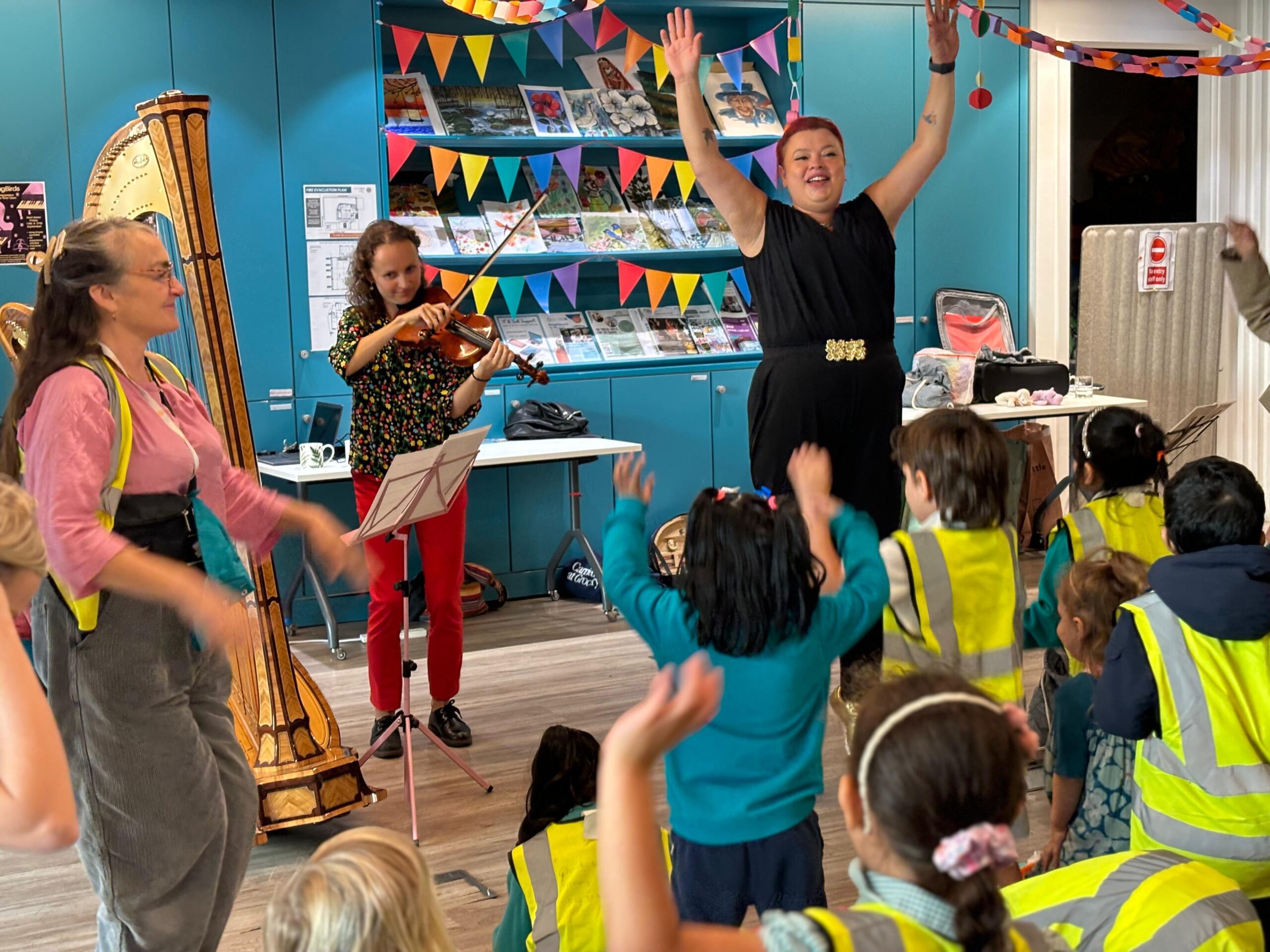
In Tower Hamlets, where nearly half the children are growing up in poverty, free child-focused services are essential for them and their families.
Despite the challenges families face, in Tower Hamlets, childhood is full of imagination, creativity, and community. Families work hard to give their children the best start in life, balancing work, care, and home responsibilities. With families often being both cash and time poor, the chance to play freely, make friends, and explore safely becomes even more meaningful. Play is not just a pastime – it’s a vital part of growing up, helping children build confidence, resilience, and joy.
At Toynbee Hall’s Community Centre, and at two neighbouring primary schools, the Play Programme offers exactly that. Free, local, and open to all, it provides a welcoming space for children to explore, socialise, and create, while parents can rest, connect, or take part in other opportunities at Toynbee Hall. For families juggling many responsibilities, it’s not just a play programme – it’s a shared community activity that strengthens family life and wellbeing.
Easing everyday pressures through play
Play gives children so much more than entertainment – it supports their emotional and social development, strengthens family bonds, and offers moments of calm in otherwise busy days.
“Families value the Play Programme because it’s local and familiar,” says Fatima, Community Centre Manager at Toynbee Hall. “The sessions offer families a space where they can feel at ease and take part in a way that feels natural. Children can take part in forest school sessions or art classes, giving them the chance to play and connect with others, while parents have the chance to join in or simply pause and recharge.”
Parents can drop in when it suits them at no cost – knowing their children are safe and engaged. These moments of play can ease daily pressures, boost confidence, and support better wellbeing across the whole household.

How income deprivation shapes childhood
While many families in Tower Hamlets face the pressures of rising costs, limited local opportunities, or long working hours, that doesn’t stop them from creating happy, nurturing environments. Parents find ways to make every moment count, and children turn the simplest spaces into playgrounds of imagination. The Play Programme builds on that creativity – giving children more room to play, grow, and connect with others in their community.
“Income pressures can limit children’s opportunities to play and socialise,” says Fatima. “A local, drop-in space helps ease those barriers. Families can come without cost or travel, and we shape sessions together based on what they tell us is most valuable and supportive for them.”
Families bring their energy, ideas, and enthusiasm to every session. Parents often say they leave with calmer, happier children, and that it brings a sense of balance to family life.
“Parents often mention that children seem calmer or happier after sessions, and that it helps the whole household feel a bit more settled,” the community centre manager notes.

The ripple effect – linking families to wider support
The Play Programme also opens doors beyond play. Parents connect with others, share experiences, and explore Toynbee Hall’s wider opportunities like accessing our free debt and legal advice services.
“Some parents also use the opportunity to access our expert free debt and legal advice services or take part in research projects that shape policies beyond our community – all which happen in the same building. It’s practical, social, and familiar – that combination makes it easier for parents to stay involved,” says Fatima.
The Play Programme creates a sense of belonging. As parents meet others in similar situations, they share advice, exchange support, and grow their community networks. This ripple effect extends beyond each session – it helps build resilience, confidence, and stronger relationships that last long after families leave the centre.
The bigger picture
The Play Programme shows that supporting children and families in income-deprived areas isn’t about charity – it’s about fairness, opportunity, and community. Play nurtures wellbeing, builds relationships, and creates shared spaces where everyone belongs.
“Recognising play, community connection, and access to shared spaces as part of core local infrastructure – not extras – would make a real and lasting difference,” says the community centre manager.
Living in the area with the highest child poverty rates in the UK, free, accessible play is not a luxury – it’s part of what makes a fair and thriving community. By giving children space to grow and parents room to breathe, the Play Programme shows how local action can strengthen families and neighbourhoods – one play session at a time.
If you want to help more children and families access free play sessions, why not support our Big Give Christmas Challenge from 2-9 December 2025. For every pound you give, it will be matched by Proms at St Jude’s and Childhood Trust!